Health and Safety Policy for Removals Tofrance
 At Removals Tofrance, health and safety is built into every stage of our operations. Our removals safety policy is designed to protect employees, customers, visitors, and anyone else who may be affected by our work. We recognise that moving and handling furniture, packing materials, and equipment can create risks, so we apply sensible controls, careful planning, and consistent training to reduce the chance of injury or damage. This policy applies to all staff, subcontractors, and anyone working on behalf of the company.
Our aim is to provide a safe, organised, and well-managed service at all times. We expect every team member to take personal responsibility for safety, to report hazards promptly, and to follow agreed procedures without exception. The safety of a removals team depends on communication, teamwork, and attention to detail. Whether a job involves domestic furniture, office equipment, or specialist items, we assess the task before starting and make sure the right equipment and staffing are in place.
 We believe that a strong health and safety culture is essential to delivering a reliable service. That means encouraging safe behaviour, providing practical instruction, and learning from incidents or near misses. A safe moving company does not rely on luck; it relies on preparation, competence, and continuous improvement. Every assignment is approached with the same objective: complete the work efficiently while protecting people, property, and the surrounding environment.
Risk assessment is a central part of our removals health and safety approach. Before work begins, we consider factors such as load weight, awkward access, stairs, weather conditions, fragile items, traffic movement, and the suitability of lifting equipment. Where a risk is identified, we take reasonable steps to remove it or reduce it to an acceptable level. This may include using additional staff, protective coverings, trolleys, straps, gloves, or other appropriate equipment.
Safe Working Practices
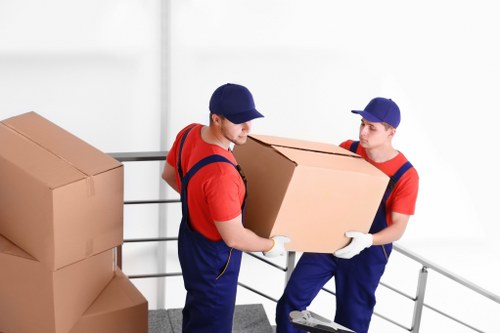
We require all staff to work in a controlled and respectful manner. No one should attempt a lift that is unsafe or beyond their ability. Heavy or bulky items must be handled using correct techniques, with team members communicating clearly throughout the move. Safe lifting and handling are essential to prevent strains, sprains, and crushed fingers. We also expect workers to keep routes clear, secure loose items, and maintain good housekeeping in vehicles and on site.
Vehicle safety is another key part of our policy. Our drivers and crew members must ensure that vehicles are roadworthy, loaded securely, and not overloaded. Loads should be balanced and tied down to prevent shifting during transit. Drivers must comply with relevant road safety laws, maintain concentration, and avoid distractions. A well-managed moving service depends on safe driving, proper load restraint, and regular checks before and during each journey.
 Training and supervision are essential to the success of this policy. All staff receive instruction relevant to their duties, including manual handling, safe loading, emergency response, and the correct use of equipment. New employees are supervised until they demonstrate competence. Additional training is provided when new risks, tools, or working methods are introduced. We encourage open discussion so that staff can raise concerns and ask questions whenever they are unsure.
Personal protective equipment, where required, must be worn and maintained properly. This may include gloves, safety footwear, hi-visibility clothing, and other protective items suited to the task. Equipment must be inspected regularly and removed from use if damaged or unsafe. We also expect staff to dress appropriately for the work environment, especially when handling sharp, heavy, or dirty items. Clean, functional equipment supports both worker safety and the quality of the service.
We take incident reporting seriously. Any accident, injury, near miss, or unsafe condition must be reported as soon as possible so that corrective action can be taken. Investigations are used to identify root causes and prevent recurrence. This process helps us improve our moving and handling safety standards over time. Where necessary, work will be paused until the issue has been addressed and safe conditions restored.
Customer premises are treated with care and respect. Our teams aim to avoid damage to floors, walls, doors, and fixtures by using suitable protection and planning access routes in advance. We also work to minimise disruption, keep noise to a reasonable level, and maintain a tidy work area. If conditions appear unsafe, such as poor lighting, slippery surfaces, or unstable items, the team must stop and reassess before continuing.
Responsibilities
Everyone involved in the operation has responsibilities under this policy. Managers must provide safe systems of work, suitable training, and proper supervision. Employees must follow instructions, use equipment correctly, and avoid putting themselves or others at risk. Removals safety management is a shared duty, and each person contributes to the overall standard of performance. A cooperative attitude helps create safer outcomes and more efficient removals.
 In the event of an emergency, staff must act calmly and follow the relevant procedure. This may involve stopping work, making the area safe, assisting an injured person if it is safe to do so, and contacting the appropriate emergency services. First aid arrangements and emergency contacts should be checked before work begins. We also expect all personnel to remain alert to fire risks, blocked exits, and any situation that could place people in immediate danger.
 This policy will be reviewed regularly to ensure it remains effective, practical, and suitable for the work we carry out. Reviews may be triggered by incidents, changes in equipment, new procedures, or operational needs. By maintaining a consistent focus on health and safety in removals, we protect our people, our clients, and the quality of every job we undertake. Safety is not an optional extra; it is a core part of professional service delivery.